


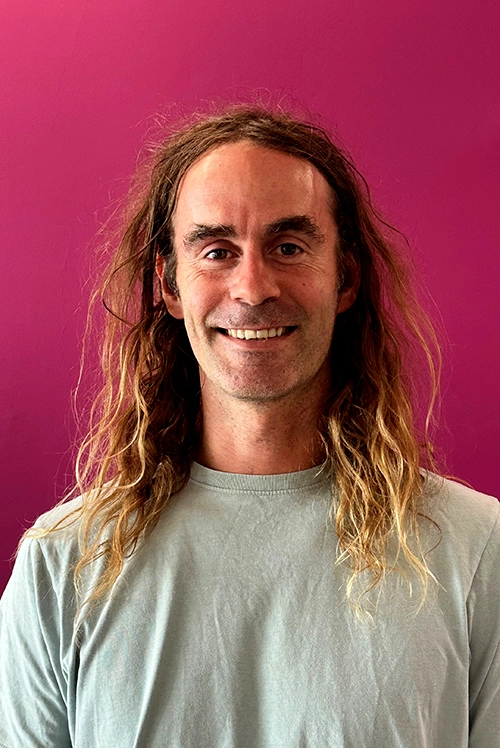



Shashank Sinha
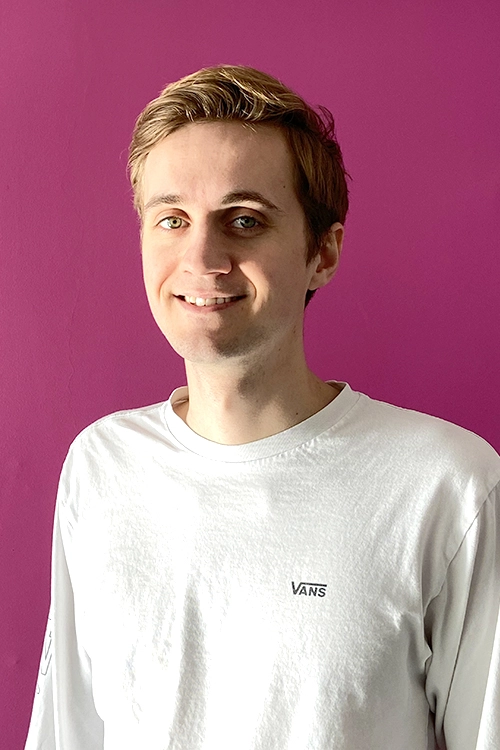
Tat Ching Kong
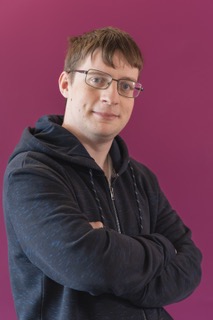
Mickaël Bondon
Mathias Ramm Haugland
Theo Brunet
Computational biology
The Computational Biology group addresses biological problems using computational, mathematical and biophysical methods. We want to understand how cellular and molecular systems adapt to their host environments and how they change in evolution.
Our group is interested in how biological systems, such as organisms, tissues, organelles cells or molecular systems, adapt to changing environments, and during development.
Biological systems, such as organisms, organs, cells, organelles or molecular systems, are highly dynamic and change for instance over time during development, during ageing, as well as to cues coming from their environment.
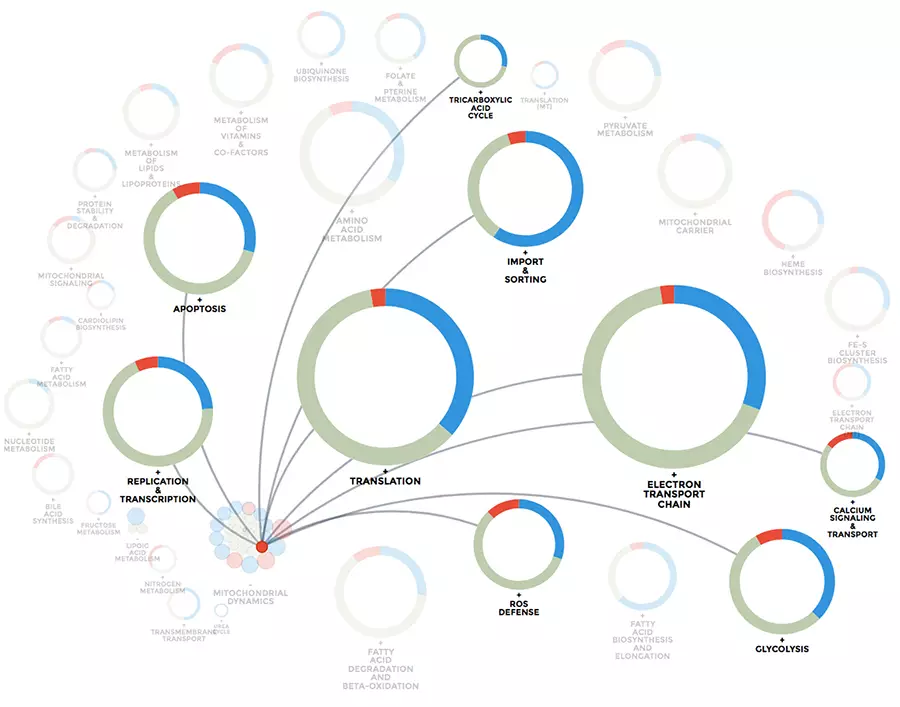
To give one example, mitochondria, which are important bioenergetic and metabolic organelles in eukaryotic cells, mature during development, changing their structure, their content and their metabolism. They also adapt to the cell type they are hosted in and change in disease, adapting their structure, content and metabolic function to the cellular needs in response to multiple molecular, chemical, metabolic, bioenergetic and mechanical cues. What are the underlying mechanisms and signals that drive mitochondrial adaptation?
Such metabolic adaptations to the environment can also be seen in bacteria. In these simpler organisms, we can even study in real time the evolutionary cues that lead to the adaptation to their environment, and to other interacting species, for instance in symbiotic, competitive or predatory relationships.
To ensure integrity of the genome during DNA replication, cells use a complex mechanism of origin of replication selection in eukaryotes, which involves a set of highly complex protein machines together with contextual structural cues of the DNA. The selection of replication origin, while not guided by sequence-specificity in most opisthokonta, is not random. The properties of replication origins can change during cell differentiation and also during disease. What are the underlying mechanisms of replication origin selection?
We address these questions using a set of computational, mathematical, and biophysical methods, which include visual data mining, metabolic modelling, network biology with complex networks and knowledge graphs, evolutionary analysis, as well as cellular automata and biophysical modelling.
Publications
mitoXplorer 3.0, A Web Tool for Exploring Mitochondrial Dynamics in Single-cell RNA-seq Data
MitoMAMMAL: a genome scale model of mammalian mitochondria predicts cardiac and BAT metabolism
A comparative analysis of gene expression profiling by statistical and machine learning approaches
MechanoProDB: a web-based database for exploring the mechanical properties of proteins
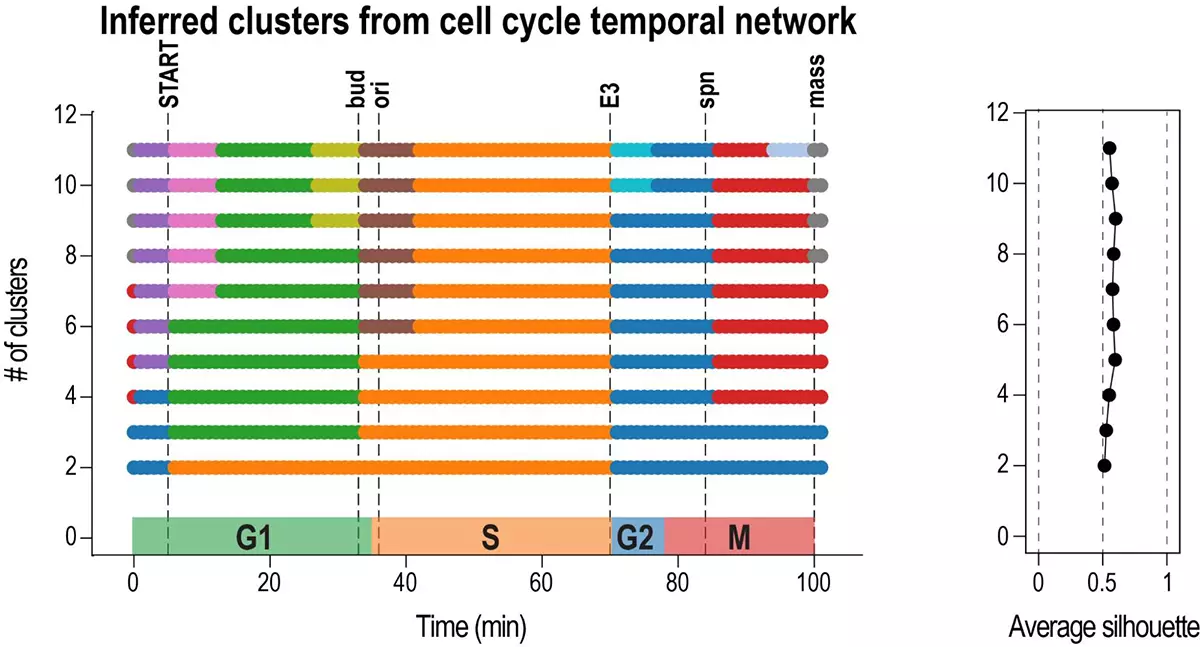
Inferring cell cycle phases from a partially temporal network of protein interactions
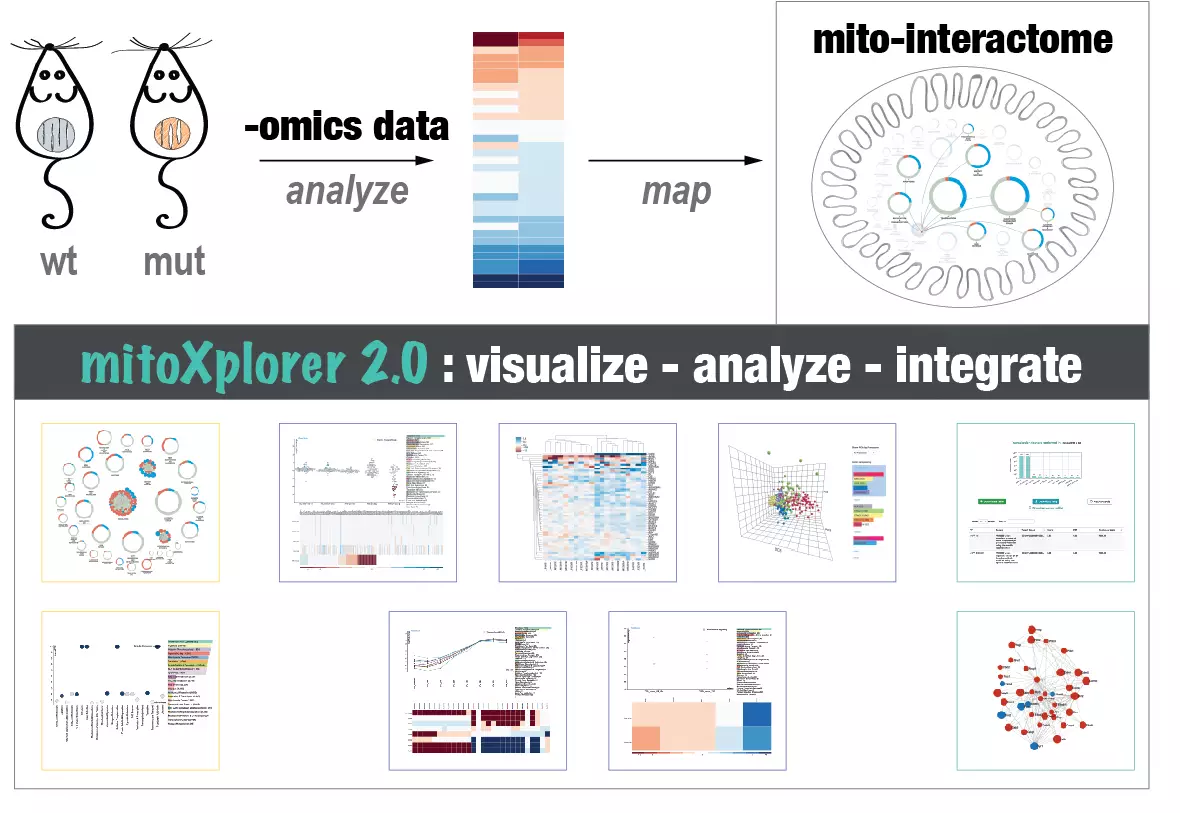
The mitoXplorer 2.0 update: integrating and interpreting mitochondrial expression dynamics within a cellular context
mitoXplorer 3.0, A Web Tool for Exploring Mitochondrial Dynamics in Single-cell RNA-seq Data
MitoMAMMAL: a genome scale model of mammalian mitochondria predicts cardiac and BAT metabolism
A comparative analysis of gene expression profiling by statistical and machine learning approaches
MechanoProDB: a web-based database for exploring the mechanical properties of proteins
Inferring cell cycle phases from a partially temporal network of protein interactions
The mitoXplorer 2.0 update: integrating and interpreting mitochondrial expression dynamics within a cellular context
Evolution of mechanisms controlling epithelial morphogenesis across animals: new insights from dissociation-reaggregation experiments in the sponge Oscarella lobularis_edited
AnnoMiner is a new web-tool to integrate epigenetics, transcription factor occupancy and transcriptomics data to predict transcriptional regulators
RNfuzzyApp: an R shiny RNA-seq data analysis app for visualisation, differential expression analysis, time-series clustering and enrichment analysis_edited
Introducing the novel Cytoscape app TimeNexus to analyze time-series data using temporal MultiLayer Networks (tMLNs)_edited
Evaluating the landscape of gene cooperativity with receptor tyrosine kinases in liver tumorigenesis using transposon-mediated mutagenesis
Phenotypic and genomic comparison of Photorhabdus luminescens subsp. laumondii TT01 and a widely used rifampicin-resistant Photorhabdus luminescens laboratory strain
Hypermethylation of gene body CpG islands predicts high dosage of functional oncogenes in liver cancer
A transcriptomics resource reveals a transcriptional transition during ordered sarcomere morphogenesis in flight muscle.
Integrative analysis and machine learning on cancer genomics data using the Cancer Systems Biology Database (CancerSysDB).
The deregulated microRNAome contributes to the cellular response to aneuploidy.
SLALOM, a flexible method for the identification and statistical analysis of overlapping continuous sequence elements in sequence- and time-series data
The axolotl genome and the evolution of key tissue formation regulators.
High-resolution TADs reveal DNA sequences underlying genome organization in flies.
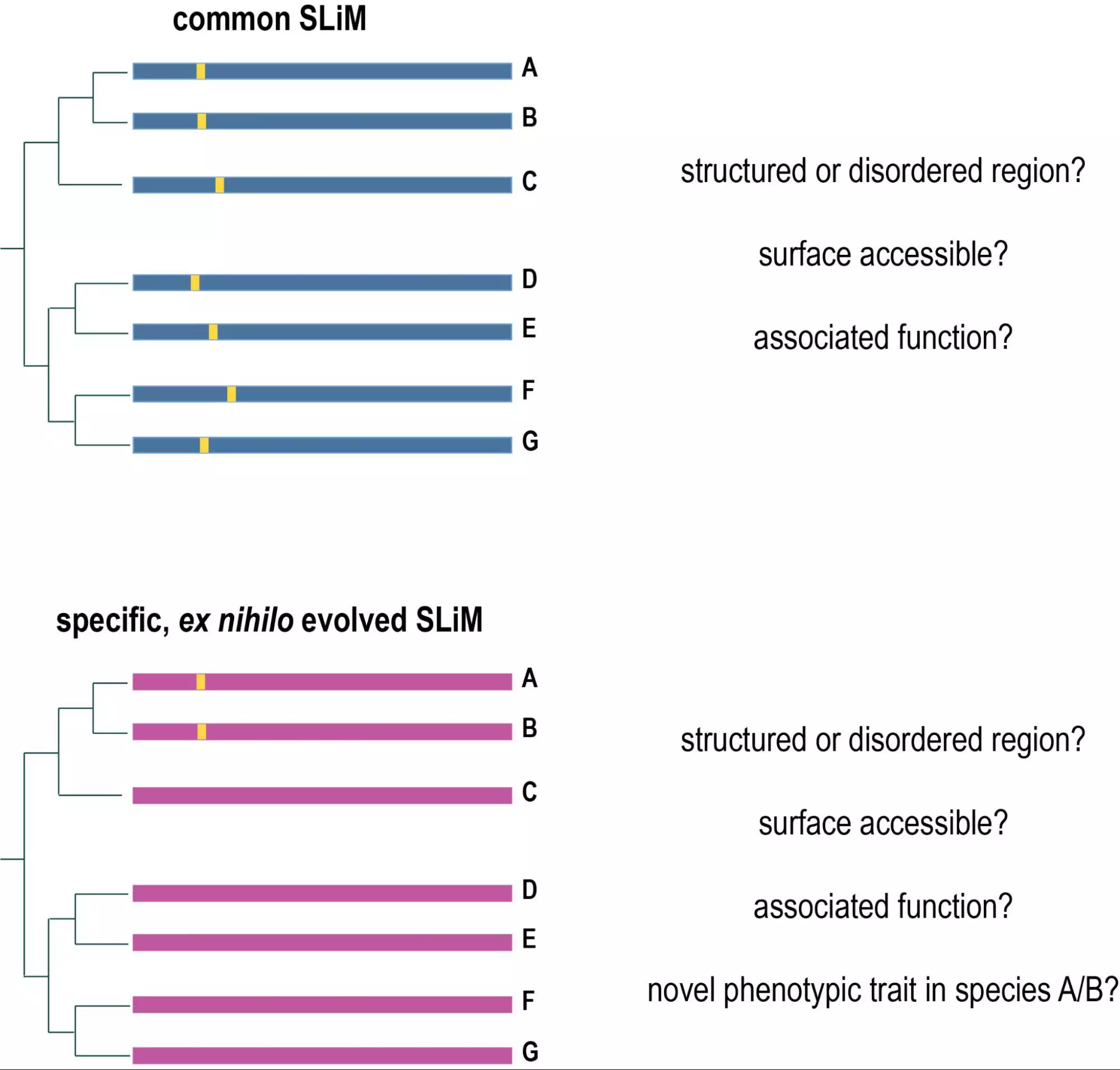
HH-MOTiF: de novo detection of short linear motifs in proteins by Hidden Markov Model comparisons
Revision and reannotation of the Halomonas elongata DSM 2581T genome.
A Guide to Computational Methods for Predicting Mitochondrial Localization.
Oh Brother, Where Art Thou? Finding Orthologs in the Twilight and Midnight Zones of Sequence Similarity
Structure of a Cytoplasmic 11-Subunit RNA Exosome Complex.
Secretory cargo sorting by Ca2+-dependent Cab45 oligomerization at the trans-Golgi network.
Human Holliday junction resolvase GEN1 uses a chromodomain for efficient DNA recognition and cleavage.
Virtual pathway explorer (viPEr) and pathway enrichment analysis tool (PEANuT): creating and analyzing focus networks to identify cross-talk between molecules and pathways.
Tools for visualization and analysis of molecular networks, pathways, and -omics data.
The RNA-binding protein Arrest (Bruno) regulates alternative splicing to enable myofibril maturation in Drosophila flight muscle.
Merging and scoring molecular interactions utilising existing community standards: tools, use-cases and a case study.
morFeus: a web-based program to detect remotely conserved orthologs using symmetrical best hits and orthology network scoring.
PsicquicGraph, a BioJS component to visualize molecular interactions from PSICQUIC servers.
KEGGViewer, a BioJS component to visualize KEGG Pathways.
MTERF1 binds mtDNA to prevent transcriptional interference at the light-strand promoter but is dispensable for rRNA gene transcription regulation.
Designing efficient and specific endoribonuclease-prepared siRNAs.
HMMerThread: detecting remote, functional conserved domains in entire genomes by combining relaxed sequence-database searches with fold recognition.
SeLOX–a locus of recombination site search tool for the detection and directed evolution of site-specific recombination systems.
Genome-wide resources of endoribonuclease-prepared short interfering RNAs for specific loss-of-function studies.
ProFAT: a web-based tool for the functional annotation of protein sequences.
An Ambystoma mexicanum EST sequencing project: analysis of 17,352 expressed sequence tags from embryonic and regenerating blastema cDNA libraries.
DEQOR: a web-based tool for the design and quality control of siRNAs.
The power and the limitations of cross-species protein identification by mass spectrometry-driven sequence similarity searches.
News
Embark on a PhD journey at the IBDM
We’re pleased to share some great news about our researchers’ achievements! Several projects from our teams have been selected for funding by the ANR and FRM, highlighting their hard work and innovative research.
Congratulations to Robert Kelly, Frank Schnorrer, Cédric Maurange, Bianca Habermann and Delphine Delacour!
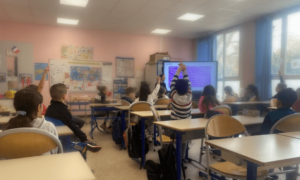
IBDM inspires schoolchildren
IBDM Marseille inspires young minds: engaging primary school children on childhood cancer (“Contre le cancer, j’apporte ma pierre”) and interacting with high school students through immersive experiences (DECLICS).
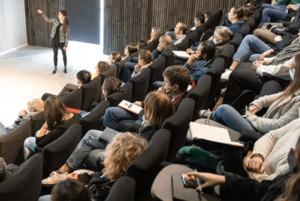
Join us on 29/06/2023 at 12:30 in Amphi 12 for an exciting talk by Rikesh Jain and Theo Brunet from our Team!
5 motivated and talented students successfully defended their thesis between September 2022 and January 2023.
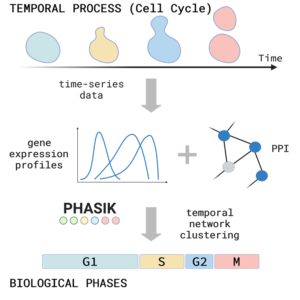
Show me your rhythm!
We introduce an algorithm, Phasik, for extracting the phases of biological systems by clustering partial temporal networks.
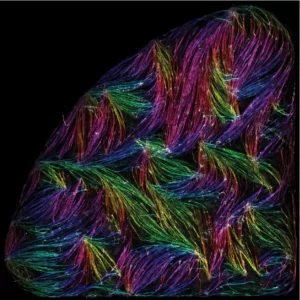
Self-organisation of human muscles in a dish
Human muscle cells self-organise into defined fiber bundles in vitro even without the presence of external cues !
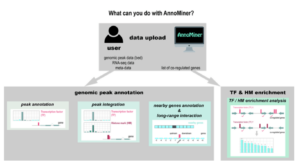
We introduce a novel, user-friendly web-based tool ‘AnnoMiner’ to annotate and integrate epigenetic and transcription factor binding data.
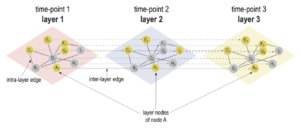
Look at the TIME in your interaction network
The Habermann team has repurposed the concept of multilayer networks generally used to integrate different types of data.
Ph.D. Student in Biology (M/F)
Missions :Myomedusa: How Did Muscles Evolve?As part of this project, we aim to trace the evolutionary history of our striated muscle. To answer this question,
Embark on a PhD journey at the IBDM
13 PhD projects open at IBDM for the Life Science Doctoral School Contest ! Students interested in pursuing a PhD in developmental biology, cell biology,
2 ANR-funded PhD Positions | MYOMEDUSA: Structure, Development and Evolution of Medusa Myofibrils
The Schnorrer and Habermann teams in Marseille are welcoming applications for two ANR-funded PhD positions to decipher the structure, development and evolution of jellyfish muscles, in collaboration with the Cnidevo/Leclère team from the Oceanographic Observatory of Banyuls-sur-Mer.
Our team at the IBDM is part of a Maitre de Conference competition for a permanent assistant professor position in Bioinformatics in Aix-Marseille University.
Team members
Shashank Sinha
Tat Ching Kong
Mickaël Bondon
Mathias Ramm Haugland
Theo Brunet