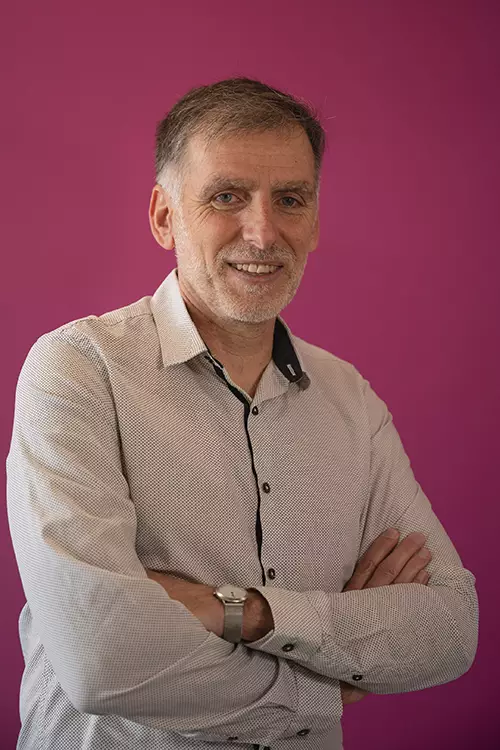
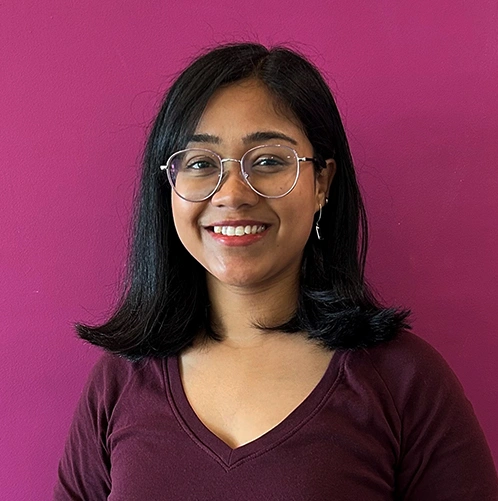
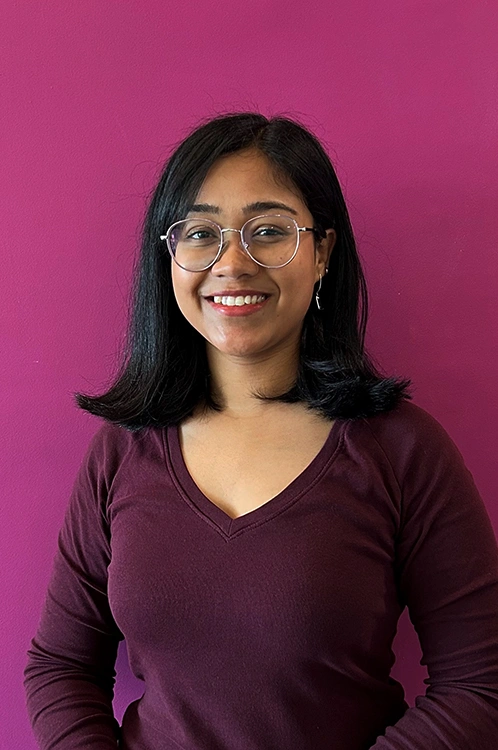
Chandrama Ghosh
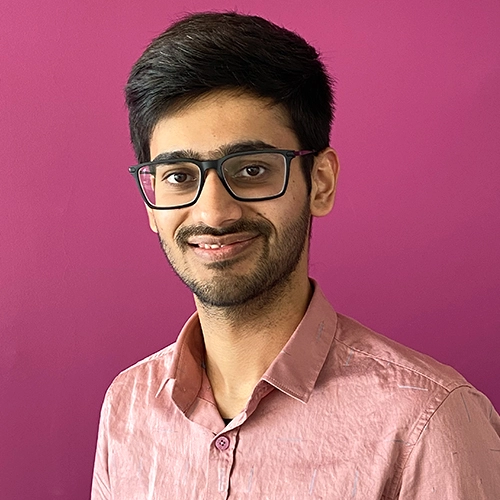
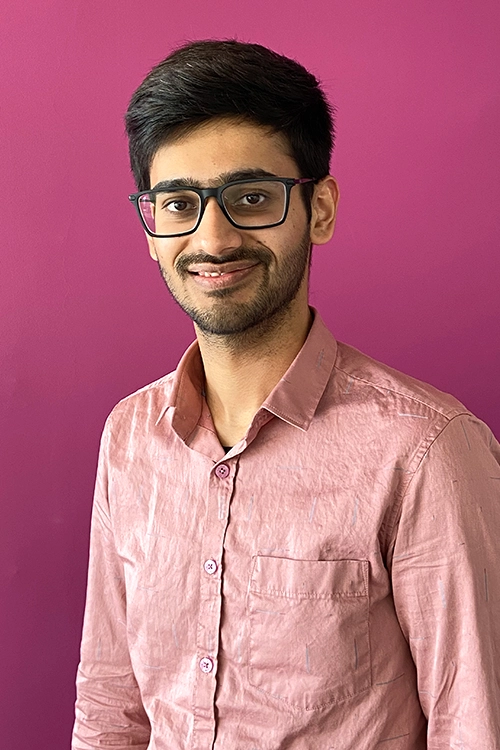
Ayush Yadav
5 motivated and talented students successfully defended their thesis between January and June 2026.

Embark on a PhD journey at the IBDM
13 PhD projects open at IBDM for the Life Science Doctoral School Contest !
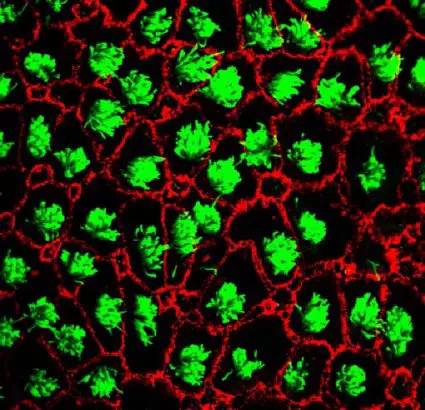
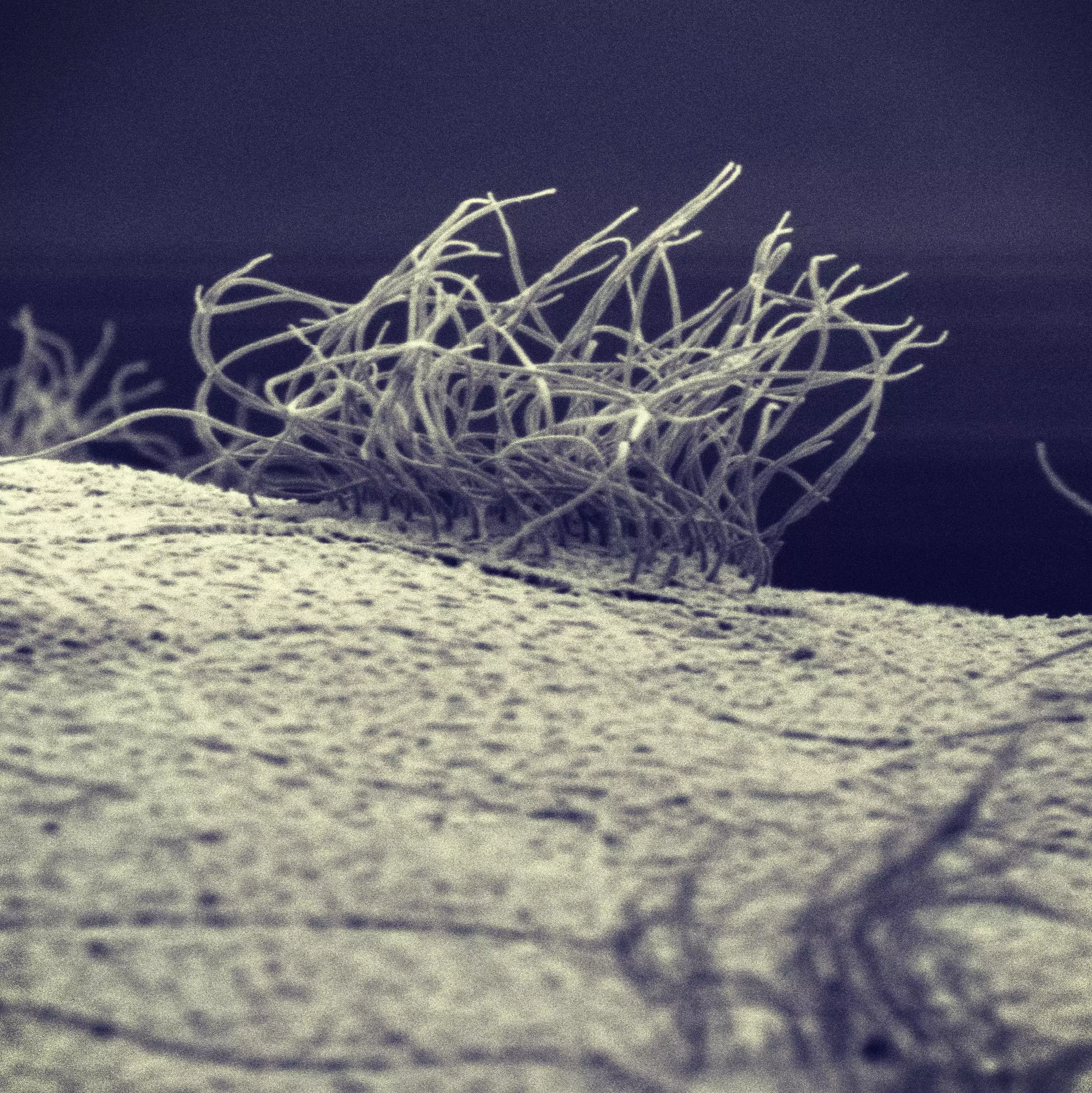
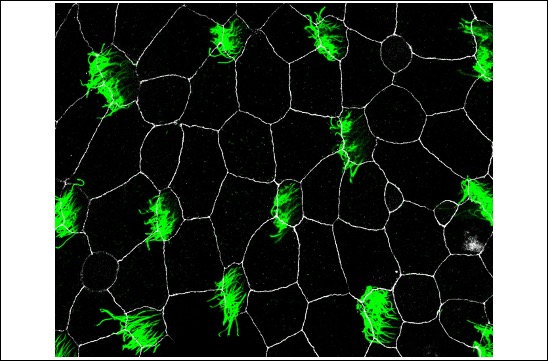
New and beautifully ciliated
A new model for deciphering multiciliated cell differentiation.

Promotions 2025!
Celebrating the accomplishments of IBDM members.

IBDM recruits a research assistant professor
Molecular genetics and genomics of eukaryotes.

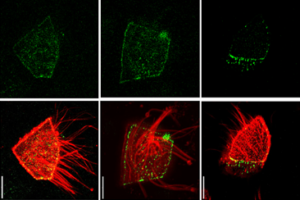
Make it bigger to see it better!
New protocol development for expansion microscopy on Xenopus samples.
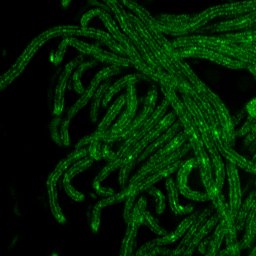
Congratulations to Laurent and his team “Biology of Ciliated Epithelia”!

Lost in translation: Vangl2 short and long
Translation starts with a Methionine: True, but not always, as revealed in a study of the PCP component Vangl2.
Join the IBDM for your internship!
Seeking for your Master internship? The IBDM seems like the right place to do it? Check out our offers.
Thesis Prize from the French Society for Developmental Biology (SFBD) for Alexandre CHUYEN
Alexandre CHUYEN, who did his doctoral thesis under the supervision of Andrea Pasini in the Kodjabachian team, was awarded the 2021 Thesis Prize from the SFBD.
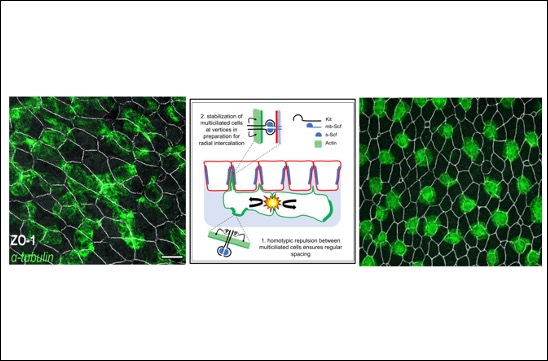
Social distancing : Cells show the way !
A study published in Developmental Cell by the Kodjabachian team reveals how multiciliated cells are distributed at regular intervals in the Xenopus embryonic epidermis.
Chandrama Ghosh
Ayush Yadav